
命中注定我爱你
洛亚蒂群岛东南[新喀里多尼亚]附近发生7.0级左右地震_我的网站

一 |
速报参数据中国地震台网自动测定:北京时间2022年9月14日19时4分(当地时间2022年9月14日22时4分)在洛亚蒂群岛东南[新喀里多尼亚](南纬21.25度,东经170.17度)发生7.0级左右地震,最终结果以正式速报为准。震中地图 震中地形 以上信息由地震信息播报机器人于2022年9月14日19时14分2秒自动产出,用时2秒,公测阶段仅供参考。 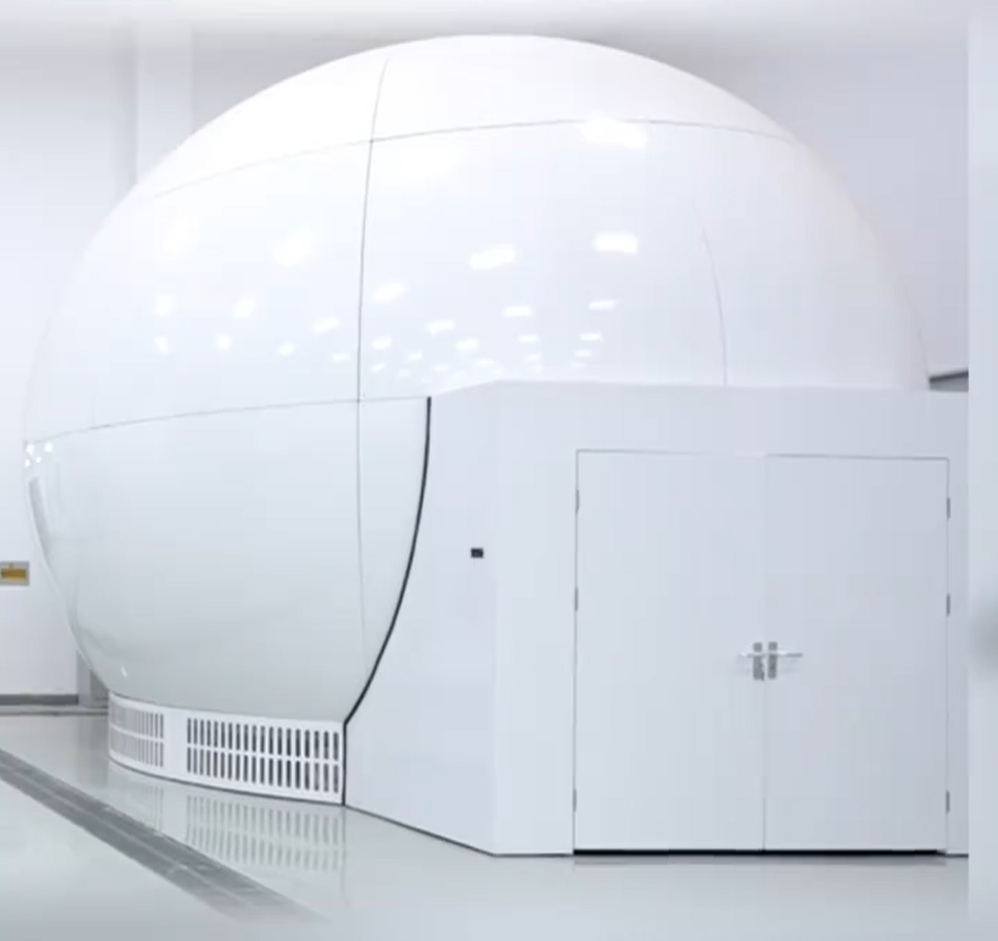
J-20, J-16 and J-10C fighter jets of the Chinese People's Liberation Army (PLA) Air Force now have virtual simulation platforms, enabling air-ground coordinated combat and virtual-real tactical integration, while meeting operational requirements for joint training among the three aircraft types, according to a recent report by Chinese official media.
An expert said on Monday that the digital training model combining virtual and real elements offers significant advantages for military training and could provide data support for the development of AI pilots.
While pilots fly real combat aircraft in the sky, pilots on the ground can also control virtual fighter jets to join the air battle. These virtual aircraft and their operators are referred to as "virtual forces," CCTV News reported.
"Our technology can now achieve full air-ground virtual-real interconnection, allowing us to be bolder in developing and executing tactics on the virtual platform," the report quoted a PLA Air Force pilot as saying.
The digital training model combining virtual and real elements offers significant advantages for military training, Zhang Junshe, a Chinese military affairs expert, told the Global Times on Monday.
One key benefit is cost reduction, according to Zhang. By replacing some actual flight hours with virtual training, the approach cuts fuel consumption, engine wear, component replacement and live ammunition expenditure, significantly lowering overall training costs, Zhang noted.
Training safety is also greatly enhanced. The virtual environment enables low-risk trial and error, allowing pilots to rehearse extreme weather, complex electronic jamming, engine failures, missile attacks and other high-risk scenarios without the danger of casualties or equipment damage.
Resource constraints are another area where the system delivers. With limited numbers of actual aircraft and tight training schedules, new pilots can use the virtual platform to rapidly accumulate simulated flight hours and air combat experience, shortening the conversion and training cycle.
The realism of tactical confrontations is also enhanced, providing a useful environment for the development and testing of new combat tactics.
Moreover, the system supports precise debriefing and data-driven optimization, creating a closed-loop training process, said Zhang.
At the same time, Zhang said, the flight data from real and virtual aircraft, air-ground virtual-real interconnection and comprehensive digitization of flight data could provide rich and high-quality data support for the development of AI pilots, laying a solid foundation for their evolution from rule-driven to data-driven models. AI virtual aircraft could also be introduced into training scenarios.
At the V-Day parade on September 3, 2025, UAVs including new armed reconnaissance drones, wingman drones, air superiority drones and shipborne unmanned helicopters were displayed, all making their debut. They are capable of stealth attacks, wide-area operations and autonomous collaboration, bringing innovative new patterns for future air combat.
。
J-20, J-16 and J-10C fighter jets of the Chinese People's Liberation Army (PLA) Air Force now have virtual simulation platforms, enabling air-ground coordinated combat and virtual-real tactical integration, while meeting operational requirements for joint training among the three aircraft types, according to a recent report by Chinese official media.
An expert said on Monday that the digital training model combining virtual and real elements offers significant advantages for military training and could provide data support for the development of AI pilots.
While pilots fly real combat aircraft in the sky, pilots on the ground can also control virtual fighter jets to join the air battle. These virtual aircraft and their operators are referred to as "virtual forces," CCTV News reported.
"Our technology can now achieve full air-ground virtual-real interconnection, allowing us to be bolder in developing and executing tactics on the virtual platform," the report quoted a PLA Air Force pilot as saying.
The digital training model combining virtual and real elements offers significant advantages for military training, Zhang Junshe, a Chinese military affairs expert, told the Global Times on Monday.
One key benefit is cost reduction, according to Zhang. By replacing some actual flight hours with virtual training, the approach cuts fuel consumption, engine wear, component replacement and live ammunition expenditure, significantly lowering overall training costs, Zhang noted.
Training safety is also greatly enhanced. The virtual environment enables low-risk trial and error, allowing pilots to rehearse extreme weather, complex electronic jamming, engine failures, missile attacks and other high-risk scenarios without the danger of casualties or equipment damage.
Resource constraints are another area where the system delivers. With limited numbers of actual aircraft and tight training schedules, new pilots can use the virtual platform to rapidly accumulate simulated flight hours and air combat experience, shortening the conversion and training cycle.
The realism of tactical confrontations is also enhanced, providing a useful environment for the development and testing of new combat tactics.
Moreover, the system supports precise debriefing and data-driven optimization, creating a closed-loop training process, said Zhang.
At the same time, Zhang said, the flight data from real and virtual aircraft, air-ground virtual-real interconnection and comprehensive digitization of flight data could provide rich and high-quality data support for the development of AI pilots, laying a solid foundation for their evolution from rule-driven to data-driven models. AI virtual aircraft could also be introduced into training scenarios.
At the V-Day parade on September 3, 2025, UAVs including new armed reconnaissance drones, wingman drones, air superiority drones and shipborne unmanned helicopters were displayed, all making their debut. They are capable of stealth attacks, wide-area operations and autonomous collaboration, bringing innovative new patterns for future air combat.
。
Current article:http://y30a7e.yaoyaotoutuanmieshaideizun.buzz/qww95/gh338e.html
Published on:00:00:00


