
风车
Chinese scientists develop ‘brain-reading’ AI model to help predict depression risk, may inspire future emotional-perception humanoids_我的网站

A | 新的一周,天气也将迎来新变化。
Chinese scientists have developed a “brain-reading” AI model that could help predict the risk of depression among adolescents up to four years in advance by analyzing how humans respond to facial expressions, a technology expected to inspire future development of embodied intelligent humanoids capable of perceiving human emotion and thoughts through nuanced facial cues.
WHO data show that around 332 million people worldwide have depression, about one-third of whom have treatment-resistant forms of the condition. In China, an estimated 95 million people suffer from depression, National Business Daily reported, citing statistics from the China Mental Health Survey.
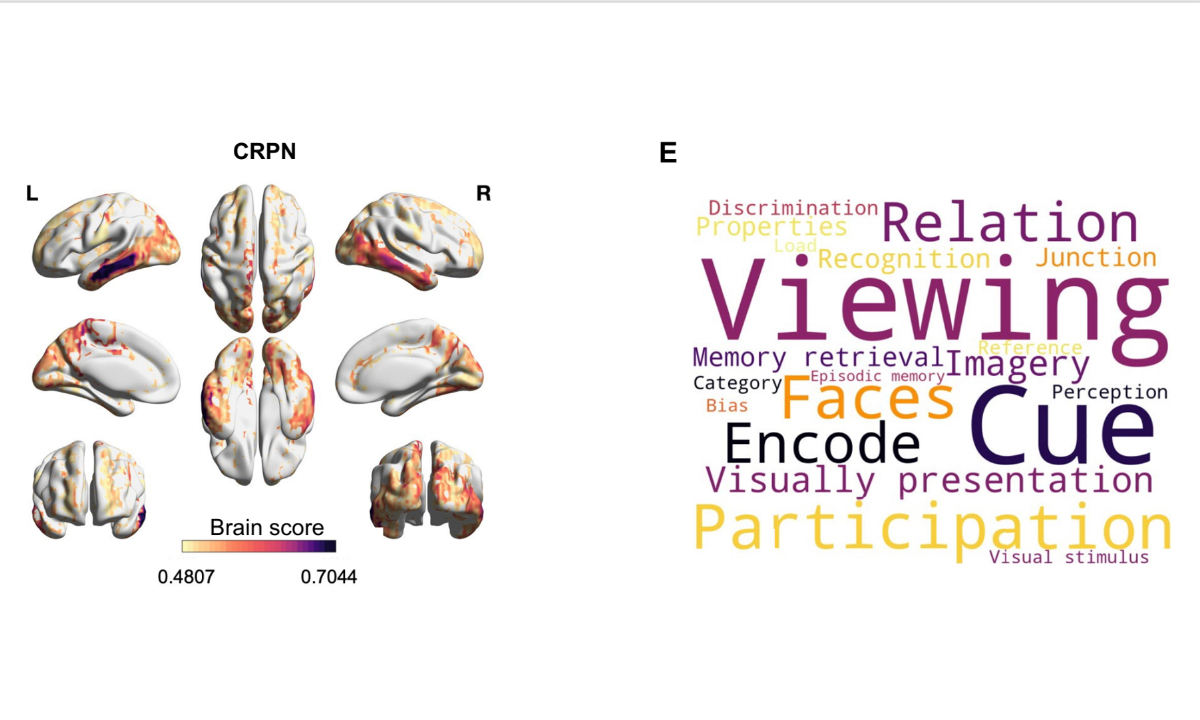
Using data from a population-based longitudinal adolescent cohort recruited across several European countries, the research team led by Lu Han, assistant professor at the School of Artificial Intelligence, Shenzhen University, has built an AI model that predicted which 19-year-olds were more likely to develop depression at the age of 23. The predictions were backed up by an independent clinical cohort of individuals with depression. The team’s paper was published in the journal Science Advances this month.
According to Lu, the study used brain scans taken at age 19 to predict depression-related symptoms at age 23. The study focuses on adolescence because the transition from adolescence to early adulthood is a key developmental period when depressive symptoms can increase rapidly. The earlier risks are identified, the greater the opportunity for prevention, Lu told the Global Times on Monday, adding that the findings need to be further validated in middle-aged and older adults and across different ethnic groups in future research.
In this study, the researchers analyzed data from adolescents in the IMAGEN, a population-based longitudinal cohort recruited across several European countries. At age 19, participants underwent an fMRI emotional-face task, and their emotional symptoms were assessed using standardized questionnaires. Genetic data obtained from blood samples were also analyzed, and participants were followed up at age 23. The researchers examined whether neural representations of angry faces at age 19 were associated with emotional symptoms and could predict elevated emotional symptoms four years later.
According to Lu, people without depression can more easily distinguish emotional changes based on others’ facial expressions and respond accordingly – for example, responding with friendliness to a smiling expression. But people with depression cannot do this, and are more likely to assume people are angry with them.
A brain-aligned deep-learning model developed by Lu’s team suggested that those participants whose brains were less able to distinguish between different facial emotions and tended to perceive others as angry were more likely to develop symptoms of depression and anxiety in adulthood.
The hypothesis that adolescents at risk of depression may respond differently to other people’s facial expressions than those without such risk based on the negative information processing bias long observed in depression research: people at risk of depression are more likely to notice, interpret, or remember negative social information, Lu said.
The researchers focused on angry facial expressions because they signal social threat and rejection, which are closely linked to interpersonal difficulties and negativity bias associated with depression. They hope to further understand how this bias develops within the visual system.
Building on this, they created a deep learning model, which mimics how the brain processes visual information, to predict how the brain encodes abstract emotional concepts such as anger.
They found that 19-year-olds whose response to facial expressions was skewed in favour of negative emotions or memories were the most likely to develop some form of depression.
Based on these findings, Lu’s team then developed a marker that can identify possible warning signs.
According to Lu, the study found that the computational biomarker was linked to the depression-related variant rs11123030 and polygenic risk for depression, suggesting that genetic susceptibility may affect emotional perception. It also provided predictive information beyond family stress and socioeconomic factors, complementing rather than replacing environmental risk factors. Therefore, depression is neither purely genetic nor purely psychological, but a complex mental disorder arising from the interplay of genetic susceptibility, brain development, emotional and cognitive processes, and life experiences.
According to Lu, the study is also expected to advance AI by aligning deep neural networks with human brain activity and using parameter perturbations to probe neural mechanisms, allowing models to both predict and explain how biases may arise.
The findings suggest that future affective computing and embodied AI should go beyond simply labeling facial expressions, incorporating visual details while preventing prior assumptions from overriding real-time sensory input, Lu said, adding that the findings could provide valuable insights for developing more interpretable robotic perception systems that more closely emulate the way humans process emotions.
。

B | 杭州在经历了连续几天的强降雨后,昨天终于进入尾声。今天起,副热带高压加强西伸,杭州将从前几天较大范围的阵雨或雷雨天气,转为以午后分散性雷阵雨为主,天气也将逐渐回归夏日熟悉的节奏。预计杭州今天多云,午后局部有短时阵雨或雷雨,东北风3级阵风4~5级,白天最高气温34℃,早晨最低气温26℃。今天沿海和浙南雨水继续“发力”刚刚过去的双休日,浙江的天气舞台依旧“不平静”。

C | 上周六,全省除湖州、嘉兴外大部分地区出现暴雨,局地大暴雨;上周日,雨水继续,午后“散装暴雨”在浙南和沿海地区“大展拳脚”。

D | 截至昨天15时,近3小时累计雨量前三名分别是:温州平阳县麻步华亭站94.8毫米、温州平阳县萧江塔下站77.8毫米、温州苍南县马站下魁站76.9毫米。今天,浙江沿海和浙南的雨水丝毫没有“收手”的意思,继续“发力”,部分地区中到大雨,局地暴雨,个别地区大暴雨,势头依然不容小觑。接下来天气舞台要迎来新变化。

E | 浙江省气象服务中心预计,随着副热带高压加强西伸,低层偏东气流趁机输送水汽,18日至19日沿海地区多阵雨或雷雨“打卡”;其他地区则维持“多云+午后雷阵雨”的夏日经典配方。20日至22日,受季风倒槽影响,浙南和沿海地区的雨水“排班”依然密集,阵雨或雷雨不时来“报到”。熬到23日,随着副热带高压继续加强,雨水终于肯“休假”了,全省统一切换为“多云+午后分散性雷阵雨”模式,洗晒出行都能从容不少。海上或有台风酝酿说完雨水,再来看看气温。

F | 昨天雨水联手冷空气,把高温“压”得毫无还手之力,浙江高温昨天“全军覆没”,无一突破35℃高温线。

G | 丽水34.7℃就能当上“全省最热”;浦江、江山、岱山等地最高气温都不足30℃,多少有点不给“三伏天”面子了。雨水“退居二线”,高温就准备“补位上岗”。19日起,全省除沿海地区外,大部分地区最高气温将重返34~36℃,暑气卷土重来。好在这次高温还算“低调”,没有一上来就大张旗鼓地“霸屏”,不过闷热感可一点没打折,黏糊糊的体感照样“在线”,大家防暑降温的功课还得继续做足。另外,海上或仍有台风酝酿。

H | 中国气象频道气象分析师信欣说,目前中北太平洋的飓风“拉娜”(Lala),正在从夏威夷岛南侧近海掠过。未来它将继续西行,不排除进入西北太平洋获得台风编号的可能性,如果成真,到时它会保留原有的名字。另外西北太平洋上,有两个热带扰动92W和93W。相对偏东,距离我们更远的92W,未来有可能发展为新的台风;相对偏西的93W,目前结构不对称,中心附近对流弱,北侧对流强,后期很难发展成型。科普一下台风和飓风到底有什么区别?从形成的原理来看,台风和飓风是一样的,都是热带气旋大家族的成员,只是出生地和活动区域不同。台风主要是指在西北太平洋和南海生成及活动的热带气旋;飓风是指在中东太平洋和北大西洋上生成及活动、并达到一定强度的热带气旋。
Current article:http://y30a7e.yaoyaotoutuanmieshaideizun.buzz/zyeom/yxzlzx.html
Published on:00:00:00
我的网站最近更新
- 深入禁区清除感染!《轮回保险公司 R.I.P》1.0版定档9月16日
- LBJ通过债券提前变现未来收入 两笔融资共3.6亿
- “十四五”期间全国查处滥用行政权力排除、限制竞争案件290件
- 哈登将续约骑士 新合同年薪2500万至3200万美元
- 地方国资“落子”公募股权,行业棋局悄然重构
- iPhone成性价比手机代名词!苹果:笑看安卓厂商销量下滑
- 养AI龙虾,为什么服务器选择关乎你的数字主权
- 全国山水工程典型案例,抚顺入选!
- Just Who is Daria Dugina’s Father, Described by West as ‘Putin’s Chief Ideologue’?
- 蓝孚高能(834428):公司拟投资成立全资子公司立日照蓝孚辐照科技有限公司
- Jamui News: तिरंगे के सम्मान में निकली राष्ट्र गुणगान यात्रा, उमड़ा जनसैलाब
- 乌总统办公室重磅发布:美、英、法、德、澳等国参与其中!四方面内容,速看……_美国_欧盟委员会
- 令人悲痛!西藏辅警伦珠,在自家废墟中,意外扒到遇难儿女的衣物
- 榜单封面!詹姆斯2K27能力值出炉 连续22年90+再创历史第一
- 杂草坑变小花园 “同心亭”成议事厅
- 『再会』井上真央の “女に嫌われる女” がえげつない…もし真犯人なら好感度急落も待ったなし
- 谷歌Gemma下载量破10亿次 AI深度探索癌症治疗新机制
- CCG+自走棋新品亮相!雷霆游戏正式代理《大圣牌:凌霄斗神
- 原“天上人间”老板被美国驱逐出境
- 16.69万人次、1036架次!杭州机场单日旅客量航班量双双破纪录
- 来自大马“啤酒西施”爆红 带火咖啡店生意座无虚席
- 首创期货:成本趋弱,苯乙烯期价震荡走低
- 第三季度全球手机份额公布:小米成国产第一
- 2026年中国科技馆筑梦星球嘉年华暨夏令营活动启幕
我的网站热门资讯
- 美国计划让因伊朗战事撤离中东的外交官返岗
- 奥菲·莫比没有合并,你好,回到顶端。
- 区领导带队检查安全生产工作
- 中国队主场吞下败仗!男单、女双首轮爆冷输球,恐难再现4冠荣耀
- 霍姆格伦:期待马拉帮我们 拒答联盟五大内线
- PC外媒直言FS社新作《黄昏血族》NS独占无妨!玩后祛魅了 很平淡
- 女篮用矮筐?前WNBA球员:那扣篮也不会多 还影响投篮的肌肉记忆
- 新突破!我国首套自主研发深水水下生产系统投用
- Giant panda Jia Jia celebrates 14th birthday at Shanghai wildlife park
- Mayor says West Maui to reopen to tourism on Nov. 1 after fire
- 方寸之间 彰显城市文博底蕴
- 北京:确诊病例曾乘北京地铁14号线,相关站点核酸检测均阴性
- 【放假通知】周至县新区幼儿园2025年元旦放假通知及温馨提示
- Token不够用了!AI时代最火“新生意”|WAIC观察
- फिनलैंड के राष्ट्रपति ने प्रधानमंत्री मोदी से की बात, भारत-यूरोपीय संघ मुक्त व्यापार समझौते पर दोहराया समर्थन
- 存储器合约价飙升!预计2027年占CSP主要支出比重68%
- 无包装、无标签、无销售资质 “三无”种子为何畅行网售渠道?
- Decomposed bodies found in Pakistan hospital
- 【异动】苯乙烯一看空商品期权合约大涨124%
- 气温还要降!抚顺即将“一夜入冬”
- 重组AI游戏部门?腾讯相关人士回应
- JD Gaming与Bilibili Gaming继续它们的季后赛征程
- 世界人形机器人运动会:中国机器人100米跑出9秒39打破人类百米世界纪录,原地起跳2.88米超越人类最好成绩
- 还有多少“甲醛白菜”流入了市场?